Global warming is a risk to the entire world and is finally gaining more attention now in the 21st century. The economy is asking dynamic questions about increasing global temperatures and its effects in attempt to value the future.
Scientists have already determined the environmental damage that will be done by global warming. Economists are now working hard to unpack how this will take a toll on specific regions that offer the most economic value to the world.
Global warming is the earths response when greenhouse gases, air pollutants, and carbon dioxide are trapped in the atmosphere and collect heat. In the United States, electric companies burn fossil fuels which is one of the largest sources of heat-trapping pollution.
Green gas emissions melt artic glaciers causing sea levels to increase continuously causing small islands to disappear and coastlines to deteriorate. These natural disasters do not only ruin civilizations they also displace all people who live in them.
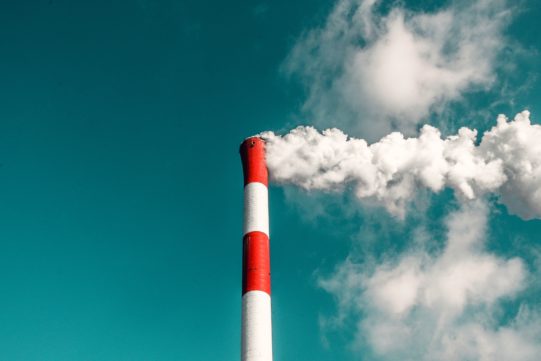
Emissions are produced in mass amounts in the United States, China, the United Kingdom and many smaller countries. Greenhouse gasses have dramatically increased due to human behavior, especially in the United States. More human consumptions equals more green gas emissions. This goes for just about every market in modern day America.
The Paris Agreement Treaty of December 2015 is an agreement that countries will reduce the amount of green gas emissions they put out into the global sphere. The goal is to reduce the numbers in half to help climate change slow down. The risks and impacts are acknowledged by most Nations but the United States under the Trump Administration backed out of the treaty.
Extreme weather in South America has displaced hundreds of thousands of families, yet they are not welcomed in America. This truth is sad but very real.
The United Nations Framework Convention on Climate Change (UNFCC) is an international treaty working to save the environment from global warming and excessive green house gases. The United States could financially afford to contribute to the UNFCC and cut green gas emissions by creating a thorough plan using environmentally safe strategies to fuel.
Across the globe nations do not put out the amount of green gas emissions as the United States, in fact, the country puts out nearly double compared to China. Nations are aware that the United States is the number one contributor and the result is affecting pacific countries and the Global South areas who do not have the economic capacity to rebuild themselves.
Researchers have been calculating the damage by each tenth of a degree when the temperatures rise. The ocean and the atmosphere have had an increase in temperatures steadily over the past 50 years.
Projections are uncertain, however, it is very clear that each year has been record breaking for increased temperatures across the globe. Climate Nexus uses the Climate Tracking Tool to look at the United States ratio between hot and cold temperature records. In the past year in the United States there was 1.42 high temperature record for every one low temperature record. An increase in record highs and an increase of record lows is due to global warming and climate change.
Influential economists have decided it’s time to make a change to penalize countries for their global emissions. By placing a tax on global emissions it would demand immediate national response. Carbon taxes are fee’s incurred from burning fossil fuels, also known as carbon-based fuels, and the content of them.
Some countries face increased hardship from green gas emissions and climate change.
The Eastern Pacific region is facing rising sea levels more in the 21st century than ever before. Climate change is causing storms to be murderous, leaving vast amounts of region to be completely displaced and ruined.
The Philippian people are fighting for their economy, and in an inevitable battle against typhoons. The United States is one of the strongest nations in the world that could potentially assist this region, although under the Trump Administration, climate change is often ignored, and seen as inaccurate information.
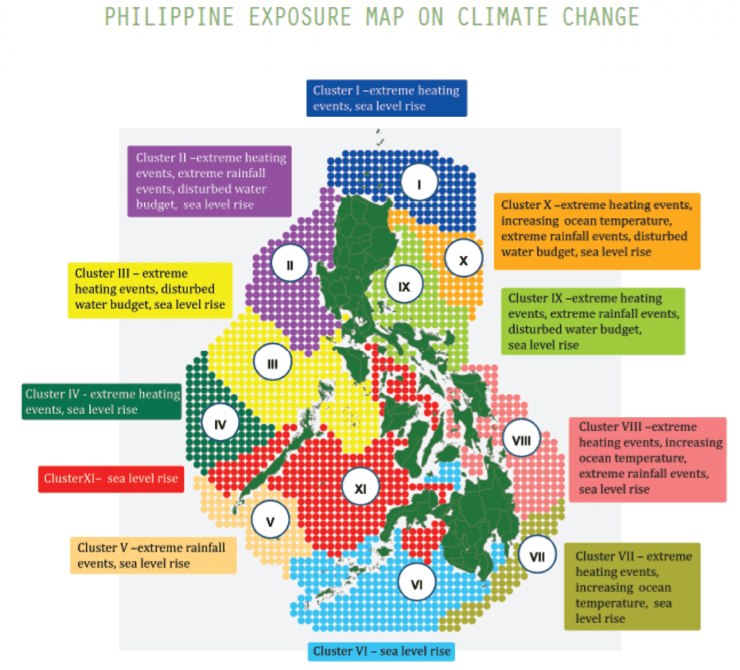
A report by the Philippine Department of Environment and Natural Resources shows how different areas in the Philippines will be challenged with a range of climate threats, based on where they are located.
Right now, islands in the Philippines are underwater and the coastlines have been destroyed due to typhoons, tsunamis, hurricanes, and other climate related reasons. Climate change will cause economic and social inequality between citizens who are environmentally safe and not environmentally safe. These individuals and their families will be forced to leave thus making them climate refugees.
Displaced members of society equal short staffed factories unable to keep up with product demands. Individuals lose their jobs after natural disasters because all structure is lost. Companies forfeit or may be sold. Economies collapse.
Large companies do not want to invest in factories located in eastern-pacific countries due to natural disasters striking time after time. Although labor is much cheaper and much more efficient.
With an increase in temperatures, warehouse workers are put at risk for unsafe working conditions. The internal temperature inside workplace environments is becoming unsustainable and the temperatures outside are even worse.
“Owing to their proximity to the sea, island states are particularly exposed to the natural hazards of cyclones, flooding and sea level rise,” the U.N. report explains. “Very high exposure is a significant risk driver, although a high development level can counteract this substantially, as the example of the Netherlands shows.”
The cost to rebuild infrastructure that can sustain these extreme weather conditions is expensive and executives find it more important to make a profit than to help keep human life safe.
All costs are not equivalent even when they are similar in terms of money. Although money may fix damages, some events negatively impact human life and sometimes even irreversible damage is done to both people and the environment. Mass food and water shortages and refugee crisis’ affect many eastern pacific countries.
Acknowledge the potential economic costs of climate change:
- crop yields decrease in response to warmer temperatures due to less fertile land
- street pavement needs revamping in response to floods due to rising sea levels
- expensive power grids are required in order to sustain extreme weather
The United States southern border is deteriorating due to hurricanes and other extreme weather. Since 1980, the United States has sustained over $1.6 trillion in losses due to natural disasters.
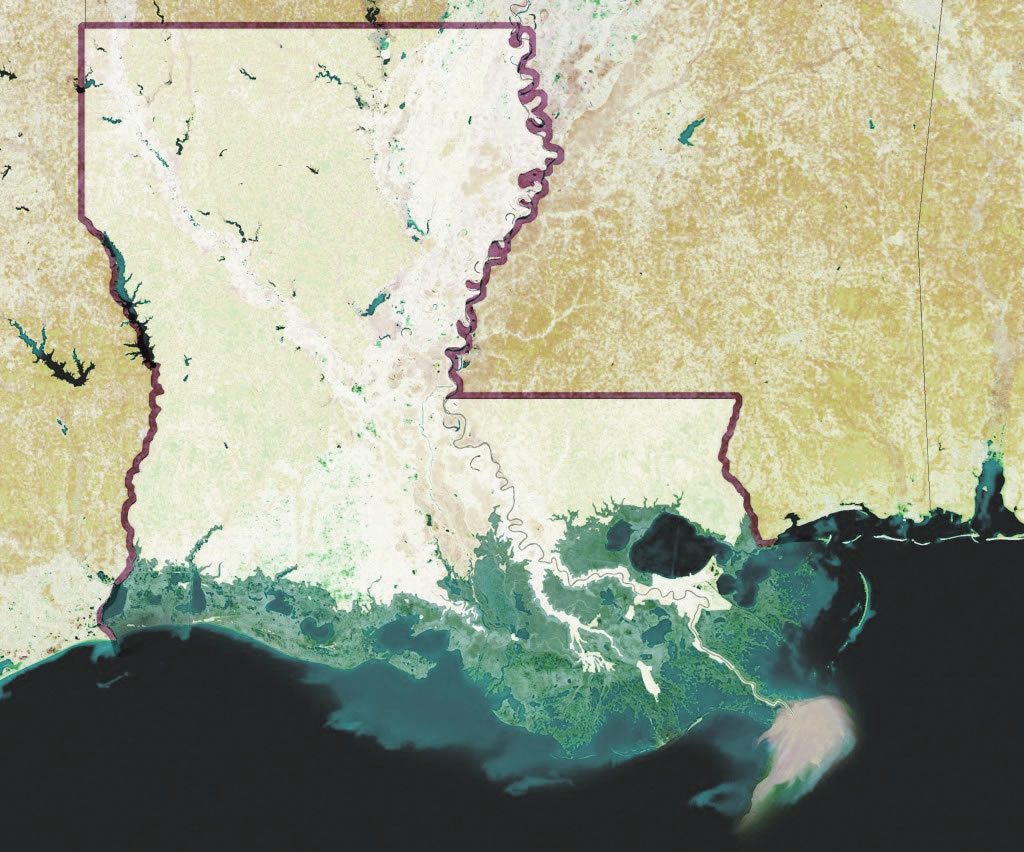
In the United States, Louisiana is highly effected by global warming and extreme weather including hurricanes.
http://lostlandstours.org/the-problem/
Right now Louisiana’s coastal wetlands are disappearing at a rate of 14 square miles a year or a football field every 48 hours due to climate change. In this case the damage is irreversible and money will not be able to restore the homes and roads that once occupied the coast.
Local people report that fishing communities that housed many families in the 1980’s will never be seen again. The culture is gone. The need for change was yesterday.
“When I started fishing here 34 years ago, you had to wind through six miles of marsh, roseau canes, some cypress trees, and spoil banks to get to the Gulf,” said Ryan Lambert, president of Cajun Fishing Adventures. “Now it’s all open water. You can stand on the dock and see the Gulf”.
The reality of climate change was stunning to the generation who lived on this land before it was engulfed by the ocean. Ryan Lambert stated in an interview that he felt physically ill in response to what he’s witnessed and how young folks will never understand this is not how the coast is supposed to be.
Technology advancements help humans adapt to the evolving world, however, if the world evolves too quickly we are unable to react fast enough. For example, after Hurricane Katrina hit over 1800 lives were lost due to flooding and loss of structure.
Individuals who live on the coast in southern states that have experienced the extreme weather feel pressured to leave for a better future. Stephen Vermette, professor of geography at SUNY Buffalo State analyzed climate from 1965 to 2018 and was able to determine extreme weather indicators were unchanged over that time period. However, there were models that showed an increase in growing seasons due to increased regional temperatures.
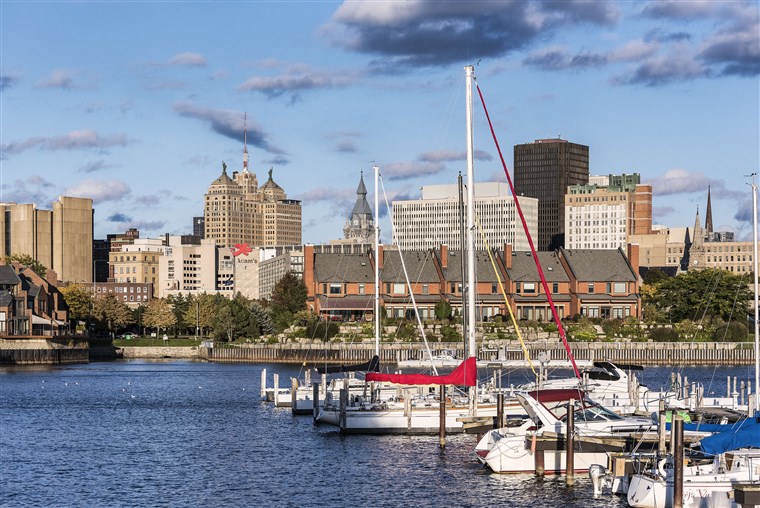
Not only are the United States coasts deteriorating from rising sea levels but places like Buffalo, NY have experienced an increase in the daily average temperature.
https://www.nbcnews.com/science/environment/buffalo-oasis-scientists-say-warmer-earth-could-make-colder-cities-n1113711
Small businesses and large businesses have been somehow affected by Climate Change in the United States. Supply and demand shortages, where companies do not have money to purchase items and natural disasters are causing shortages.
How are companies directly involved with climate change?
Utilities are now filing for bankruptcy due to the heightened losses associated with natural disasters. These companies have filed for bankruptcy now amounting to $340B across the globe.
Bedrock companies that have been around for a century, that hold high standards of reliability, are failing. Pacific Gas and Electric (PG&E) a natural gas company is one of the largest utility companies in California. PG&E has had to overcome new obstacles in recent years due to climate change. They operate power lines and towers that have a service life from 65-100 years old.
In the past risks associated with old equipment breaking down are not dangerous because it happens after a long winter etc. However, these power lines are facing extreme weather conditions such as wind and rain at different times throughout the year causing brush fires that result in entire towns to burn to the ground. These risks have never been ruled out.
https://www.youtube.com/watch?v=WfZ7QyrlEjQ
The insurance industry makes up more than 10% of America’s Gross Domestic Product (GDP). If this industry is suffering due to extreme weather and climate change then the rest of the country can count on other sectors of the economy feeling pressure.
Unprecedented losses associated with claims are throwing off risk assessments.
Insurance companies have stopped profiting from premiums because the damages have cost much more. These losses not only effect the company but the consumer as well. Risks are hard to measure considering the future of climate change is hard to predict.
These companies have been forced to raise their premiums in order to sustain and make a profit. Unfortunately, the monthly premiums insurance companies charge are too expensive for an average consumer.
Consumer activists have fought for new legislation to ensure insurers cannot raise their rates. Companies may not change premiums all at the same time in response to natural disasters. If insurance companies increase premiums in unison they may face legal consequences such as collusion and other anti-trust charges.
https://www.youtube.com/watch?v=SMBNWmQcRAc
Congress created the National Flood Insurance Program (NFIP) in 1968 in an effort to help the public when natural disaster strikes. This program reduces the socio-economic impact of climate change and extreme weather in disadvantaged populations across the country. Floods are the most common and damaging weather events in the nation.
The NFIP provides affordable flood insurance to businesses and homeowners in high risk coastal locations. This program helps aide people who are in horrible situations caused by environmental factors. Property owners who find themselves in this situation are able to recover much more quickly and efficiently by having the necessary insurance to regain losses.
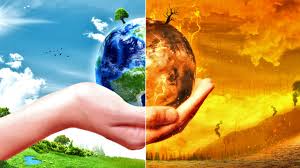
Hopefully communities, nations, and the world will work together in an effort to assist the climate change crisis and recognize the world we are living in is not something to take for granted. Future generations will forever be thankful if the world works collectively now.
 The A.P. Blog